
Ceiling Fan Installation Services in Austin
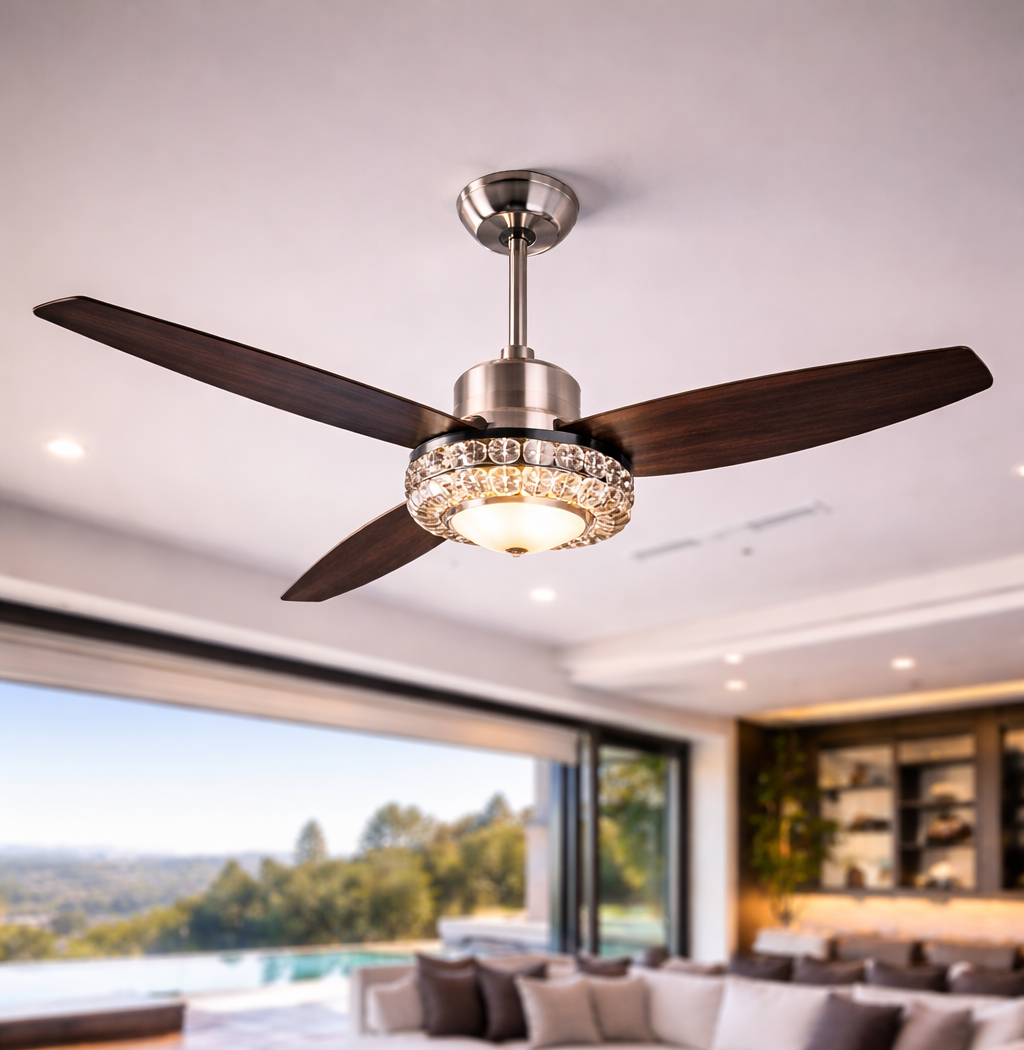
If you need ceiling fan installation in Austin, you want it done properly the first time. A ceiling fan is not just something you hang. It has to be mounted securely, wired correctly, balanced properly, and set up to run smoothly for years.
At HandyMatt, we install, replace, and fine tune ceiling fans with precision. Whether you are upgrading a room, replacing an old unit, or dealing with a fan that wobbles or hums, we make sure everything is solid, safe, and working exactly as it should.
Why Homeowners in Austin Choose HandyMatt
Installed properly, not rushed
Ceiling fans fail when they are installed poorly. We take the time to mount them correctly, align everything, and make sure the fan runs smoothly without noise or wobble.
Experience with real homes in Austin
From older homes in Tarrytown and Bouldin to newer builds in Westlake and Barton Creek, we understand how different ceiling types, heights, electrical box types affect installation.
Clean, professional work
No mess left behind. No shortcuts. Just clean, efficient work done with attention to detail.
Austin Ceiling Fan Installation Services
We handle everything needed to get your ceiling fan installed and working properly:
• New ceiling fan installation
• Replacement of existing ceiling fans
• Mounting and secure bracket installation
• Electrical connections and setup
• Balancing and wobble correction
• Installation of remote controlled and high ceiling fans
Every installation is tested to ensure smooth operation, proper airflow, and long term reliability.
All electrical work is performed by a licensed Texas electrical contractor, A Class Electric (TECL 37303).
Common Ceiling Fan Issues We Fix
If your ceiling fan is not performing the way it should, we can correct it:
• Wobbling or shaking
• Noise or humming
• Improper mounting
• Incorrect wiring
• Poor airflow
These are usually signs of improper installation or wear over time. We address the root of the problem so it runs properly again.
Serving Austin Neighborhoods
We provide ceiling fan installation throughout Austin, including:
Barton Creek
West Lake Hills
Tarrytown
Pemberton Heights
Old Enfield
Zilker
Bouldin Creek
Bryker Woods
South River City
Downtown Austin
If you are searching for ceiling fan installation near you, we likely already work in your neighborhood.
Get Your Ceiling Fan Installed Properly
If you want your ceiling fan installed the right way, without guesswork or shortcuts, HandyMatt is ready to help.
Reach out today and get it handled properly.
Many clients who book ceiling fan installation also ask us to handle light fixture installation, light switch installation, and outlet installation during the same visit.
Frequently Asked Questions, Ceiling Fan Installation
Q: How long does a ceiling fan installation take? A: Typically, a ceiling fan installation takes about 1-2 hours, depending on the complexity of the assembly, installation and the existing wiring setup.
Q: Do you install ceiling fans with remote controls? A: Yes, we can install ceiling fans with remote controls, ensuring they are properly synchronized and functioning correctly.
Q: Can you replace an old ceiling fan with a new one? A: Absolutely! We can safely remove your old ceiling fan and install a new one in its place, ensuring everything is properly wired and secure.
Q: What factors affect the cost of ceiling fan installation? A: The cost can vary based on the type of fan, size, height of the installation, labor charges, and whether new wiring or mounting hardware is needed. Additionally, ensuring the correct electrical box is in place is crucial, as boxes designed only for light fixtures may need to be replaced to support the weight of a ceiling fan and have the correct screw holes for ceiling fan screws to fasten to.
Q: When does the electrical box need to be replaced during ceiling fan installation?
A: The electrical box needs to be replaced if it is only rated for a light fixture and not a ceiling fan and its commensurate weight. A tell-tale sign is that fan-rated boxes have larger screw holes, such as 10-32 screws, compared to those rated only for lights, which use smaller screws like 8-32.
Q: How do I choose the right size ceiling fan for my room? A: The size of the ceiling fan depends on the room size. For rooms up to 75 square feet, a 29-36 inch fan is recommended. For rooms between 76-144 square feet, a 36-42 inch fan works well. For larger rooms, use a 44-54 inch fan, and for very large spaces, consider fans larger than 54 inches.
Q: Which direction should the ceiling fan rotate in the summer? A: In the summer, your ceiling fan should rotate counterclockwise to create a cooling breeze by pushing air downward.
Q: Should I run my ceiling fan in the winter?
A: Yes, running your ceiling fan in the winter can help distribute warm air more evenly throughout your room. Set your ceiling fan to rotate clockwise at a low speed. This movement pulls cool air up and pushes warm air down along the walls, which can help maintain a comfortable temperature and reduce heating costs.
Q: What is a ceiling fan downrod?
A: A ceiling fan downrod is a metal pipe that connects the motor housing to the mounting hardware. It stabilizes the ceiling fan, reducing the potential for wobbling, and ensures proper airflow by maintaining a safe distance between the fan blades and the ceiling (at least eight to 10 inches) and the floor (a minimum of seven feet).
Q: What are the typical sizes for ceiling fan downrods?
A: Downrods range in length from 2 inches to 72 inches, depending on the ceiling height and the fan model. Standard ceiling fans usually come with a downrod between 2 and 10 inches, suitable for rooms with ceilings eight to nine feet high.
Q: Are ceiling fan downrods universal?
A: While some downrods can be used interchangeably, it is recommended to use downrods from the same manufacturer as your ceiling fan to ensure compatibility. This ensures the correct match in terms of diameter, threading, and finish.
Q: What is the recommended height for a ceiling fan on vaulted ceilings?
A: To safely install a ceiling fan on a vaulted ceiling, you will need a downrod, typically at least 12 inches long. According to ENERGY STAR (energystar.gov), ceiling fans should be installed at least 7 feet above the floor, 18 inches from the walls, and ideally 8-9 feet above the floor for optimal airflow. The length of the downrod should be adjusted based on the fan size and ceiling slope. If the ceiling slope exceeds 34 degrees, you may need a sloped ceiling adapter kit. Ensure the fan blades are positioned correctly to avoid being too low (which can be hazardous for taller individuals) or too high (which can reduce airflow efficiency). Always follow the fan manufacturer's instructions regarding mounting at an angle.
Q: Can I install a ceiling fan on a sloped ceiling? A: Yes, but you may need a special downrod and an angled mounting kit to ensure the fan is properly installed and balanced.
Q: What are common mistakes to avoid during ceiling fan installation? A: Common mistakes include improper wiring, installing the fan in an unsuitable location, and neglecting to balance the fan blades. Ensuring proper measurements and following installation guidelines can help avoid these issues.
Q: How do you install a ceiling fan without existing wiring?
A: Installing a ceiling fan without existing wiring involves running new electrical wires and installing a special electrical box rated for ceiling fans in the desired location. This can be complex and typically requires a licensed electrician to ensure the work complies with electrical codes.
Q: What size ceiling fan do I need for my room?
A: The size of the ceiling fan depends on the room size. For rooms up to 75 square feet, a 29-36 inch fan is recommended. For rooms between 76-144 square feet, a 36-42 inch fan works well. For larger rooms, use a 44-54 inch fan, and for very large spaces, consider fans larger than 54 inches.
Q: How do I clean and maintain my ceiling fan?
A: To clean your ceiling fan, turn it off and dust the blades with a microfiber cloth. For more thorough cleaning, use a mild detergent and water. Regular maintenance includes checking and tightening screws and ensuring the fan is balanced to prevent wobbling.
Q: How do you balance a wobbly ceiling fan?
A: Balancing a wobbly ceiling fan ensures smooth operation and eliminates wobbling. Follow these steps to balance your ceiling fan:
Clean the Fan Blades:
Turn off the fan and dust the blades using a soft cloth. Dirt and debris can cause imbalance.
Check Blade Alignment:
Measure the distance from each blade tip to the ceiling. All blades should be at the same height. If one blade is lower, gently bend it upward to align with the others.
Tighten Screws:
Check and tighten all screws on the blades and the brackets to ensure they are secure.
Use a Balancing Kit:
Most ceiling fans come with a balancing kit that includes a plastic clip and adhesive weights. If your fan didn't come with one, you can purchase a kit separately.
Identify the Wobbly Blade:
Attach the balancing clip to the middle of one blade. Turn the fan on low speed to see if the wobble improves. Move the clip to different blades and note which position reduces the wobble the most.
Place the Weight:
Once you've identified the problematic blade, place the balancing clip near the base of that blade. Turn the fan on and gradually move the clip towards the tip until you find the point where the wobble is minimized.
Once the optimal position is found, attach one of the adhesive weights to the top of the blade at the same position where the clip was. Remove the clip and test the fan again.
Fine-Tune if Necessary:
If the wobble persists, identify the next wobbliest blade by repeating step 5 and 6. Continue this process until the fan operates smoothly. By following these steps, you can effectively balance your wobbly ceiling fan, ensuring quiet and efficient operation. Always follow the manufacturer's instructions for specific details related to your fan model.